
 Contact
 Comment faire ses achats
Livraison
Guide d'achat
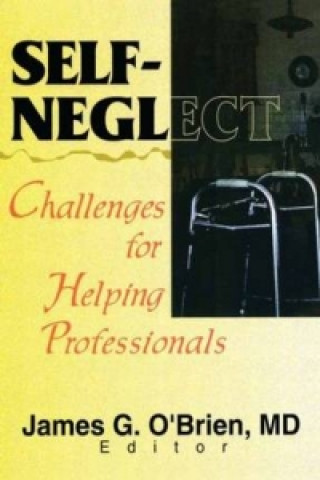
Self-Neglect
 Anglais
 80 b
80 b
 Livraison à Autriche
Jusqu'à 30 jours pour les retours
Les clients ont également acheté



 /
/
 Livre de poche
 48.39
€
48.39
€

 /
Livre de poche
17.79
€
/
Livre de poche
17.79
€












 /
Livre relié
50.39
€
/
Livre relié
50.39
€



 /
Livre de poche
10.89
€
/
Livre de poche
10.89
€

Understand the complex ethical, legal, medical, and psychological issues of the most common form of elder abuse!Self-Neglect examines the social, ethical, medical, and practical implications of the most prevalent form of elder abuse. It can be difficult to diagnose and treat, and it poses ethical questions that cannot be answered simply. Yet it is so common and so destructive that anyone who works with geriatric patients must come to terms with it. Everyone is familiar with the image of the wild-haired elderly recluse hoarding junk in a dilapidated house, but to their neighbors, friends, and family--as well as to the health care professionals, social workers, and clergy who deal with them--these recluses are a special burden. They often refuse care despite such obvious problems as open sores. They tend to be intelligent and independent. Do they have the right to choose to live in squalor, or are their choices dictated by depression or other diseases? Do health care professionals have a responsibility to treat them against their will or a duty to respect their stated preferences?Self-Neglect examines the topics of passive suicide and indirect life-threatening behavior to help medical practitioners working with the elderly understand why patients do not follow doctor''s orders or take care of themselves. Through case studies, this informative book explores the ways in which patients practice self-neglect by ignoring their doctors’advice, extreme lack of self-care, refusal to eat, failure to take their prescribed medication, and alcohol abuse. Self-Neglect offers insight into many facets of this condition, including:
- choosing among the many definitions of self-neglect
- what kinds of people become self-neglecting
- managing self-neglecting patients
- when and how to intervene
- the patient''s autonomy and personal rights versus the rights of the community
- self-neglect as a way to gain control of a negative life situation when other tactics have failedDiscussing the sometimes tragic outcome of misdiagnosing self-neglect or leaving it untreated, this intelligent book will help you identify and understand this dangerous behavior and offer your patients better care for this condition.


À propos du livre
Anglais
Catégories

Offrez ce livre dès aujourd'hui
C’est simple
1 Ajouter au panier et choisir l'option Livrer comme cadeau à la caisse. 2 Nous vous enverrons un bon d'achat 3 Le livre arrivera à l'adresse du destinataireCeci pourrait également vous intéresser









 /
Livre de poche
13.19
€
/
Livre de poche
13.19
€












Bonjour ! Je suis Libroamiko, votre conseiller littéraire.
Comment puis-je vous aider ?