
 Contact
 Comment faire ses achats
Livraison
Guide d'achat
Rococo
 Anglais
 51 b
51 b
 Livraison à Autriche
Jusqu'à 30 jours pour les retours
Les clients ont également acheté
 /
/
 Livre relié
 42.29
€
42.29
€



 Partitions
15.99
€
Partitions
15.99
€



 Partitions
19.69
€
Partitions
19.69
€

 Partitions
19.69
€
Partitions
19.69
€
 Partitions
24.59
€
Partitions
24.59
€
 Partitions
24.59
€
Partitions
24.59
€
 /
Livre relié
38.39
€
/
Livre relié
38.39
€
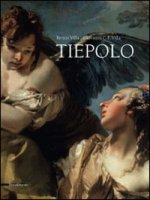

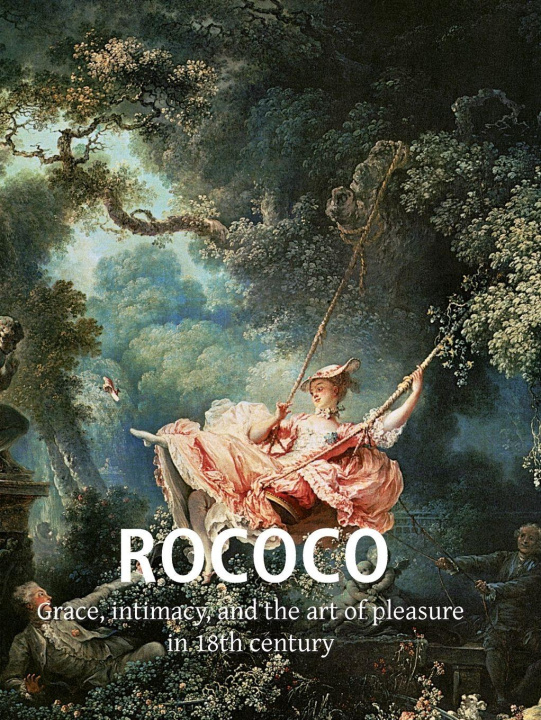
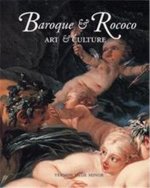
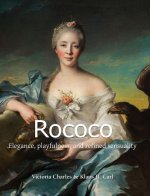
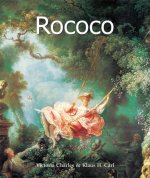
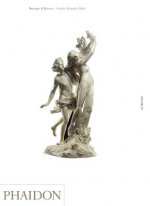
Deriving from the French word rocaille, in reference to the curved forms of shellfish, and the Italian Barocco, the French created the term Rococo. Appearing at the beginning of the 18th-century, it rapidly spread to the whole of Europe. Extravagant and light, Rococo responded perfectly to the spontaneity of the aristocracy of the time. In many aspects, this art was linked to its predecessor, Baroque, and it is thus also referred to as late Baroque style. While artists such as Tiepolo, Boucher and Reynolds carried the style to its apogee, the movement was often condemned for its superficiality. In the second half of the 18th-century, Rococo began its decline. At the end of the century, facing the advent of Neoclassicism, it was plunged into obscurity. It had to wait nearly a century before art historians could restore it to the radiance of its golden age, which is rediscovered in this work by Klaus H. Carl and Victoria Charles.


À propos du livre
Anglais

Offrez ce livre dès aujourd'hui
C’est simple
1 Ajouter au panier et choisir l'option Livrer comme cadeau à la caisse. 2 Nous vous enverrons un bon d'achat 3 Le livre arrivera à l'adresse du destinataireCeci pourrait également vous intéresser

 /
Livre de poche
14.99
€
/
Livre de poche
14.99
€




 /
Livre de poche
17.19
€
/
Livre de poche
17.19
€



Bonjour ! Je suis Libroamiko, votre conseiller littéraire.
Comment puis-je vous aider ?