
 Contact
 Comment faire ses achats
Livraison
Guide d'achat
 Anglais
 82 b
82 b
 Livraison à Autriche
Jusqu'à 30 jours pour les retours
Les clients ont également acheté


















 /
/
 Livre de poche
 20.39
€
20.39
€










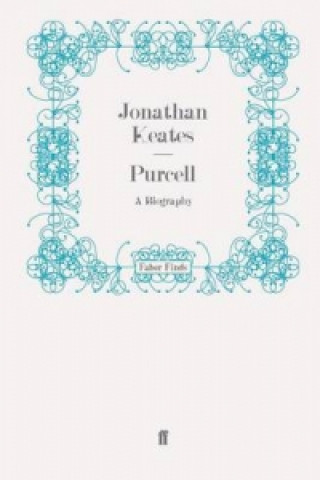
In the chaos of the English Civil War and Puritan Commonwealth, churches were defaced and organs broken, but the tradition of fine music survived. When Charles II returned from exile in 1660, one of the first things he demanded was music, sacred and profane, anthems and motets, pavannes and gavottes. In 1659 Henry Purcell was born, and his genius would give the period and nation an unforgettable voice. Jonathan Keates traces Purcell's development against the turbulent movements of his time - political, religious, theatrical and social. He shows him growing up in the shadow of Westminster Abbey and follows him as a chorister in the Chapel Royal, copying the innovative and colourful style of Matthew Locke; beginning to composer for the theatre, and for State occasions; writing his great settings of sacred music, his chamber sonatas, and his triumphant Dido and Aeneas, the first British opera. In the background are the heady politics of Restoration England, which expelled the Stuart James II and brought William and Mary to the throne. But almost more important is the rich musical history, the influence of French and Italian composers, blending with and modifying the native tradition. We know and love Purcell through his work; his songs were sung in taverns, his psalms in churches; he was urbane and witty, impassioned and profound. This engrossing biography is as remarkable for its sensitive critical appreciation of Purcell's music, in all its forms, as it is for its vivid portrait of the man, and the boisterous age in which he lived.


À propos du livre
Anglais
Catégories

Offrez ce livre dès aujourd'hui
C’est simple
1 Ajouter au panier et choisir l'option Livrer comme cadeau à la caisse. 2 Nous vous enverrons un bon d'achat 3 Le livre arrivera à l'adresse du destinataireCeci pourrait également vous intéresser











 /
Livre de poche
11.99
€
/
Livre de poche
11.99
€
 /
Livre de poche
31.79
€
/
Livre de poche
31.79
€


 /
Livre de poche
6.99
€
/
Livre de poche
6.99
€

 /
Livre de poche
9.79
€
/
Livre de poche
9.79
€
 /
Livre de poche
8.09
€
/
Livre de poche
8.09
€

 /
Livre relié
142.09
€
/
Livre relié
142.09
€

Bonjour ! Je suis Libroamiko, votre conseiller littéraire.
Comment puis-je vous aider ?