
 Contact
 Comment faire ses achats
Livraison
Guide d'achat
Phaedrus
 Anglais
 29 b
29 b
 Livraison à Autriche
Jusqu'à 30 jours pour les retours
Les clients ont également acheté














 Livre de poche
 28.19
€
28.19
€

 /
Livre de poche
13.59
€
/
Livre de poche
13.59
€
 /
Livre de poche
15.29
€
/
Livre de poche
15.29
€




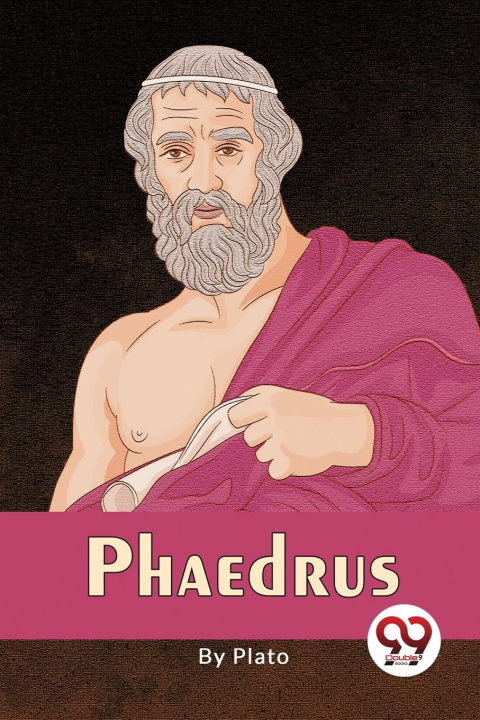
Socrates and Phaedrus, an interlocutor in multiple dialogues, engage in a conversation in Plato's work The Phaedrus. Like Plato's Republic and Symposium, The Phaedrus was probably written around 370 BCE. Although the dialogue is apparently about the subject of love, it actually focuses on the art of rhetoric and how it should be used, as well as topics as varied as metempsychosis (the Greek belief in reincarnation) and sensual love. The classic Chariot Allegory, which depicts the human soul as consisting of a charioteer, a good horse heading upward to the divine, and a bad horse tending downhill to a material incarnation, is one of the dialogue's key passages. Unusually, the dialogue doesn't establish itself as a recounting of the day's events. The dialogue is presented in the straight, unmediated words of Socrates and Phaedrus; there are no intermediaries to set up the discussion or provide background information; it is delivered firsthand, as though we are present for the actual occurrences. This contrasts with dialogues like the Symposium, in which Plato openly provides us with a partial, fifth-hand account of the day's events by creating a number of layers between them and what we hear about them.


À propos du livre
Anglais

Offrez ce livre dès aujourd'hui
C’est simple
1 Ajouter au panier et choisir l'option Livrer comme cadeau à la caisse. 2 Nous vous enverrons un bon d'achat 3 Le livre arrivera à l'adresse du destinataireCeci pourrait également vous intéresser
 /
Livre de poche
19.89
€
/
Livre de poche
19.89
€

 /
Livre de poche
12.49
€
/
Livre de poche
12.49
€


 /
Livre de poche
56.79
€
/
Livre de poche
13.59
€
/
Livre de poche
56.79
€
/
Livre de poche
13.59
€

 /
Livre de poche
50.39
€
/
Livre de poche
50.39
€




Bonjour ! Je suis Libroamiko, votre conseiller littéraire.
Comment puis-je vous aider ?