
 Contact
 Comment faire ses achats
Livraison
Guide d'achat
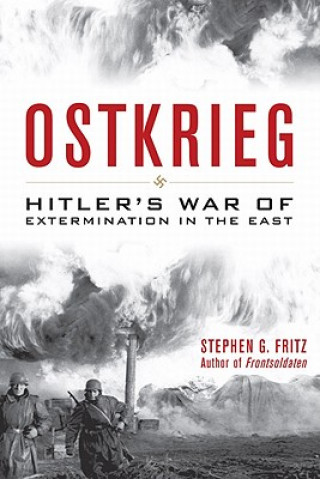
Ostkrieg
 Anglais
 218 b
218 b
 Livraison à Autriche
Jusqu'à 30 jours pour les retours
Les clients ont également acheté











In violation of the Nazi-Soviet Nonaggression Pact of 1939, Germany invaded the Soviet Union in June 1941, inaugurating the largest land war in history. Adolf Hitler believed this surprise attack was crucial for German success in World War II. It aimed to destroy what Hitler perceived as a Jewish-Bolshevik conspiracy and to ensure German economic, political and cultural prosperity. A huge percentage of German resources were allocated to the campaign against the Soviet Union, and the total percentage of German casualities on the eastern front was a staggering seventy percent. Despite the significance of this campaign to Germany and to the war as a whole, there has been little published on it in the last thirty-five years. The majority of work is either in German or focuses stricity on military strategy and ignores other aspects of the campaign. In Barbarossa: Hitler's War of Extermination in the Soviet Union, 1941-1945, Stephen G. Fritz fills the gap in scholarship by incorporating historical research from the last several decades into an accessible, comprehensive, and coherent narrative. He covers all aspects of the campaign, including economic policy, resource exploitation, military involvement, and the racial policy that first motivated the invasion. Fritz's thorough research and in-depth account will generate greateter understanding of a topic that has been neglected by historians for too long. According to our second reader, "Fritz is among the leading scholars of the German experience on the Russian Front."


À propos du livre
Anglais

Offrez ce livre dès aujourd'hui
C’est simple
1 Ajouter au panier et choisir l'option Livrer comme cadeau à la caisse. 2 Nous vous enverrons un bon d'achat 3 Le livre arrivera à l'adresse du destinataireCeci pourrait également vous intéresser























Bonjour ! Je suis Libroamiko, votre conseiller littéraire.
Comment puis-je vous aider ?