
 Contact
 Comment faire ses achats
Livraison
Guide d'achat
 Anglais
 87 b
87 b
 Livraison à Autriche
Jusqu'à 30 jours pour les retours
Les clients ont également acheté















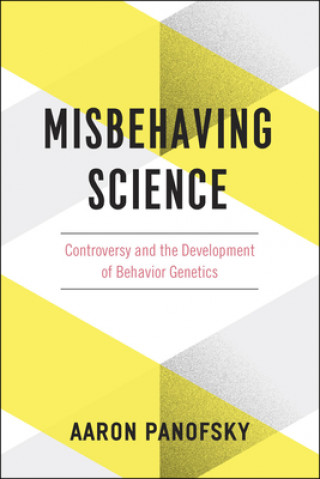
Behavior genetics has always been a breeding ground for controversies. From the "criminal chromosome" to the "gay gene," claims about the influence of genes like these have led to often vitriolic national debates about race, class, and inequality. Many behavior geneticists have encountered accusations of racism and have had their scientific authority and credibility questioned, ruining reputations, and threatening their access to coveted resources. In Misbehaving Science, Aaron Panofsky traces the field of behavior genetics back to its origins in the 1950s, telling the story through close looks at five major controversies. In the process, Panofsky argues that persistent, ungovernable controversy in behavior genetics is due to the broken hierarchies within the field. All authority and scientific norms are questioned, while the absence of unanimously accepted methods and theories leaves a foundationless field, where disorder is ongoing. Critics charge behavior geneticists with political motivations; champions say they merely follow the data where they lead. But Panofsky shows how pragmatic coping with repeated controversies drives their scientific actions. Ironically, behavior geneticists' struggles for scientific authority and efforts to deal with the threats to their legitimacy and autonomy have made controversy inevitable-and in some ways essential-to the study of behavior genetics.


À propos du livre
Anglais

Offrez ce livre dès aujourd'hui
C’est simple
1 Ajouter au panier et choisir l'option Livrer comme cadeau à la caisse. 2 Nous vous enverrons un bon d'achat 3 Le livre arrivera à l'adresse du destinataireCeci pourrait également vous intéresser










 /
/
 Livre relié
 20.99
€
20.99
€

 /
Livre de poche
11.59
€
/
Livre de poche
11.59
€
 /
Livre relié
203.39
€
/
Livre relié
203.39
€







Bonjour ! Je suis Libroamiko, votre conseiller littéraire.
Comment puis-je vous aider ?