
 Contact
 Comment faire ses achats
Livraison
Guide d'achat
Looking Down the Tree
 Anglais
 280 b
280 b
 Livraison à Autriche
Jusqu'à 30 jours pour les retours
Les clients ont également acheté


 /
/
 Livre de poche
 8.99
€
8.99
€







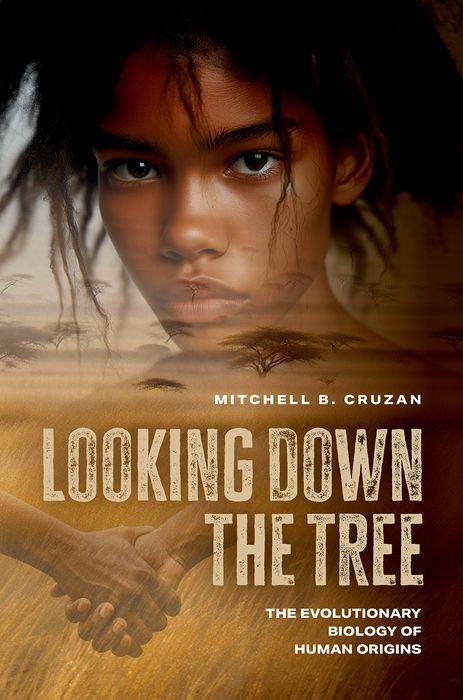
We know much about our history from bones and DNA, but these studies do not tell us about the characteristics that are not preserved in the fossil record — the fleshy parts and behaviors. Evolutionary biologists are more interested in the processes of evolution than the patterns; what caused the changes we see in the fossil record? Looking Down the Tree applies evolutionary principles to understand the history of our species and the pressures of natural selection which led to our unique appearance and behaviors. Cruzan draws upon evidence from fossils, genomics, phylogenetics, coalescence theory, and the anatomy and physiology of our human ancestors and other animals to arrive at an understanding of the origin of human appearance and behavior. This evidence is discussed in the context of comparative biology, natural and sexual selection, evolutionary constraints, inbreeding and inclusive fitness, and genetic and cultural evolution. The story of our past that we piece together provides a novel view of how savanna habitats favored a unique set of adaptations including bipedalism and the loss of fur in our early australopithecine ancestors. Other characteristics were outcomes of increasing brain size, which led to the birth of helpless infants that required years of childcare. Cooperation was favored through inbreeding and inclusive fitness in the clans of our ancestors as they struggled to survive through extensive periods of severe drought in eastern Africa. We end this discussion with an evaluation of the increasing importance of cultural evolution, as the transmission of skills and knowledge became ever-more important for human life. Like any other species, we discover that we are the product of the environments that our ancestors experienced.


À propos du livre
Anglais

Offrez ce livre dès aujourd'hui
C’est simple
1 Ajouter au panier et choisir l'option Livrer comme cadeau à la caisse. 2 Nous vous enverrons un bon d'achat 3 Le livre arrivera à l'adresse du destinataireCeci pourrait également vous intéresser
 /
Livre de poche
109.49
€
/
Livre de poche
109.49
€






 /
Livre relié
29.39
€
/
Livre relié
29.39
€









 /
Livre de poche
152.59
€
/
Livre de poche
152.59
€
Bonjour ! Je suis Libroamiko, votre conseiller littéraire.
Comment puis-je vous aider ?