
 Contact
 Comment faire ses achats
Livraison
Guide d'achat
 Anglais
 92 b
92 b
 Livraison à Autriche
Jusqu'à 30 jours pour les retours
Les clients ont également acheté
 /
/
 Livre relié
 23.29
€
23.29
€
 /
Livre de poche
33.59
€
/
Livre de poche
33.59
€

 /
/
 Adobe ePub DRM
11.69
€
Adobe ePub DRM
11.69
€












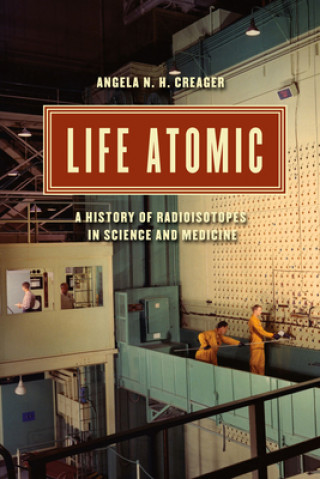
After World War II, the US Atomic Energy Commission (AEC) began mass-producing radioisotopes, sending out nearly 64,000 shipments of radioactive materials to scientists and physicians by 1955. Even as the atomic bomb became the focus of Cold War anxiety, radioisotopes represented the government s efforts to harness the power of the atom for peace advancing medicine, domestic energy, and foreign relations.In "Life Atomic," Angela N. H. Creager tells the story of how these radioisotopes, which were simultaneously scientific tools and political icons, transformed biomedicine and ecology. Government-produced radioisotopes provided physicians with new tools for diagnosis and therapy, specifically cancer therapy, and enabled biologists to trace molecular transformations. Yet the government s attempt to present radioisotopes as marvelous dividends of the atomic age was undercut in the 1950s by the fallout debates, as scientists and citizens recognized the hazards of low-level radiation. Creager reveals that growing consciousness of the danger of radioactivity did not reduce the demand for radioisotopes at hospitals and laboratories, but it did change their popular representation from a therapeutic agent to an environmental poison. She then demonstrates how, by the late twentieth century, public fear of radioactivity overshadowed any appreciation of the positive consequences of the AEC s provision of radioisotopes for research and medicine."


À propos du livre
Anglais

Offrez ce livre dès aujourd'hui
C’est simple
1 Ajouter au panier et choisir l'option Livrer comme cadeau à la caisse. 2 Nous vous enverrons un bon d'achat 3 Le livre arrivera à l'adresse du destinataireCeci pourrait également vous intéresser










 /
Livre de poche
20.99
€
/
Livre de poche
20.99
€






Bonjour ! Je suis Libroamiko, votre conseiller littéraire.
Comment puis-je vous aider ?