
 Contact
 Comment faire ses achats
Livraison
Guide d'achat
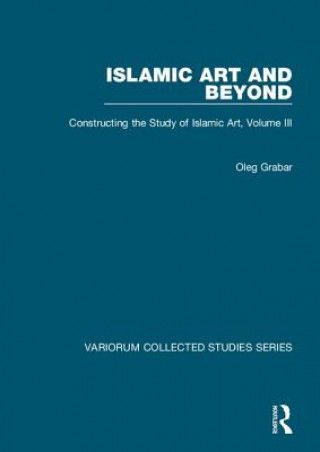
Islamic Art and Beyond
 Anglais
 708 b
708 b
 Livraison à Autriche
Jusqu'à 30 jours pour les retours
Les clients ont également acheté











 /
/
 Cartes géographiques
 12.00
€
12.00
€


 /
/
 Livre de poche
31.09
€
Livre de poche
31.09
€

 /
Livre de poche
7.09
€
/
Livre de poche
7.09
€
 /
Livre relié
8.95
€
/
Livre relié
8.95
€








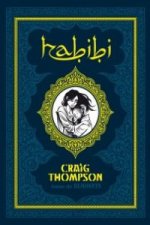

"Islamic Art and Beyond" is the third in a set of four volumes of studies on Islamic art by Oleg Grabar. Between them they bring together more than eighty articles, studies and essays, work spanning half a century by a master of the field. Each volume takes a particular section of the topic, the three other volumes being entitled: "Early Islamic Art, 650-1100"; "Islamic Visual Culture, 1100-1800"; and "Jerusalem". Reflecting the many incidents of a long academic life, they illustrate one scholar's attempt at making order and sense of 1400 years of artistic growth. They deal with architecture, painting, objects, iconography, theories of art, aesthetics and ornament, and they seek to integrate our knowledge of Islamic art with Islamic culture and history as well as with the global concerns of the History of Art. In addition to the articles selected, each volume contains an introduction which describes, often in highly personal ways, the context in which Grabar's scholarship developed and the people who directed and mentored his efforts. The articles in the present volume illustrate how the author's study of Islamic art led him in two directions for a further understanding of the arts. One is how to define Islamic art and what impulses provided it with its own peculiar forms and dynamics of growth. Was it a faith or a combination of social, historical, and cultural events? And how has 'Islamic art' impacted on the contemporary arts of the Islamic world? The other issue is that of the meanings to be given to forms like domes, so characteristic of Islamic art, or to terms like symbol, signs, or aesthetic values in the arts, especially when one considers the contemporary world. The Islamic examples allow for the development of new intellectual positions for the history and criticism of the arts everywhere.


À propos du livre
Anglais

Offrez ce livre dès aujourd'hui
C’est simple
1 Ajouter au panier et choisir l'option Livrer comme cadeau à la caisse. 2 Nous vous enverrons un bon d'achat 3 Le livre arrivera à l'adresse du destinataireCeci pourrait également vous intéresser









 /
Livre relié
767.79
€
/
Livre relié
767.79
€



 /
Livre de poche
7.19
€
/
Livre de poche
7.19
€



 /
Livre de poche
16.19
€
/
Livre de poche
16.19
€
Bonjour ! Je suis Libroamiko, votre conseiller littéraire.
Comment puis-je vous aider ?