
 Contact
 Comment faire ses achats
Livraison
Guide d'achat
Introduction To Exercise Physiology
 Anglais
 484 b
484 b
 Bientôt
 Date inconnue
 Livraison à Autriche
Jusqu'à 30 jours pour les retours
Les clients ont également acheté









 /
/
 Livre de poche
 25.19
€
25.19
€



 /
Livre de poche
18.69
€
/
Livre de poche
18.69
€



 /
Livre de poche
26.00
€
/
Livre de poche
26.00
€






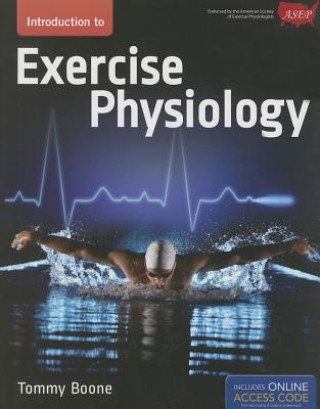
Introduction to Exercise Physiology, identifies the key scientific content that is critically important to the successful practice of exercise physiology. This text focuses on the profession of exercise physiology by introducing students to the scientific basis for the practice of exercise physiology to prevent or control mind-body diseases, promote health and well-being, and enhance athlete performance. The goal of this text is to embrace a new paradigm of exercise physiology as a comprehensive healthcare profession and not as a one-course experience. Introduction to Exercise Physiology is endorsed by The American Society of Exercise Physiologists (ASEP) a national non-profit professional organization committed to the advancement of exercise physiologists. The text emphasizes sound scientific content that will help exercise physiologists design appropriate exercise prescription that focuses on the public health challenges of a sedentary lifestyle. Students will learn the necessary physiologic, electrocardiographic, biomechanic, and anatomic concepts pertinent to prepare for and pass the ASEP Board Certification exam. In addition, the text enables students to understand the ethics of sports nutrition and athletic performance, by examining exercise metabolism, fuel utilization, and cardiovascular functions and adaptations from a non-performance enhancing supplement perspective. Specific physiologic calculations are presented to teach students how to monitor exercise intensity, as well as to improve the safety and credibility of client-specific test protocols, health and fitness training programs, and athletic competitions. To support the "exercise as medicine" approach of the text it is organized into seven major areas: Part I Scientific Aspects of Exercise Physiology Part II Training the Cardiorespiratory and Muscular Systems Part III Training and Performance Part IV Exercise Is Medicine Part V Exercise Biomechanics Part VI Anatomy of Sports and Exercise Part VII The Profession of Exercise Physiology


À propos du livre
Anglais

Offrez ce livre dès aujourd'hui
C’est simple
1 Ajouter au panier et choisir l'option Livrer comme cadeau à la caisse. 2 Nous vous enverrons un bon d'achat 3 Le livre arrivera à l'adresse du destinataireCeci pourrait également vous intéresser


 /
Livre de poche
12.39
€
/
Livre de poche
12.39
€







 /
Livre relié
33.89
€
/
Livre relié
33.89
€

 /
Livre relié
66.09
€
/
Livre relié
66.09
€

 /
Livre relié
23.79
€
/
Livre relié
23.79
€





 /
/
 Adobe ePub DRM
4.69
€
Adobe ePub DRM
4.69
€
Bonjour ! Je suis Libroamiko, votre conseiller littéraire.
Comment puis-je vous aider ?