
 Contact
 Comment faire ses achats
Livraison
Guide d'achat
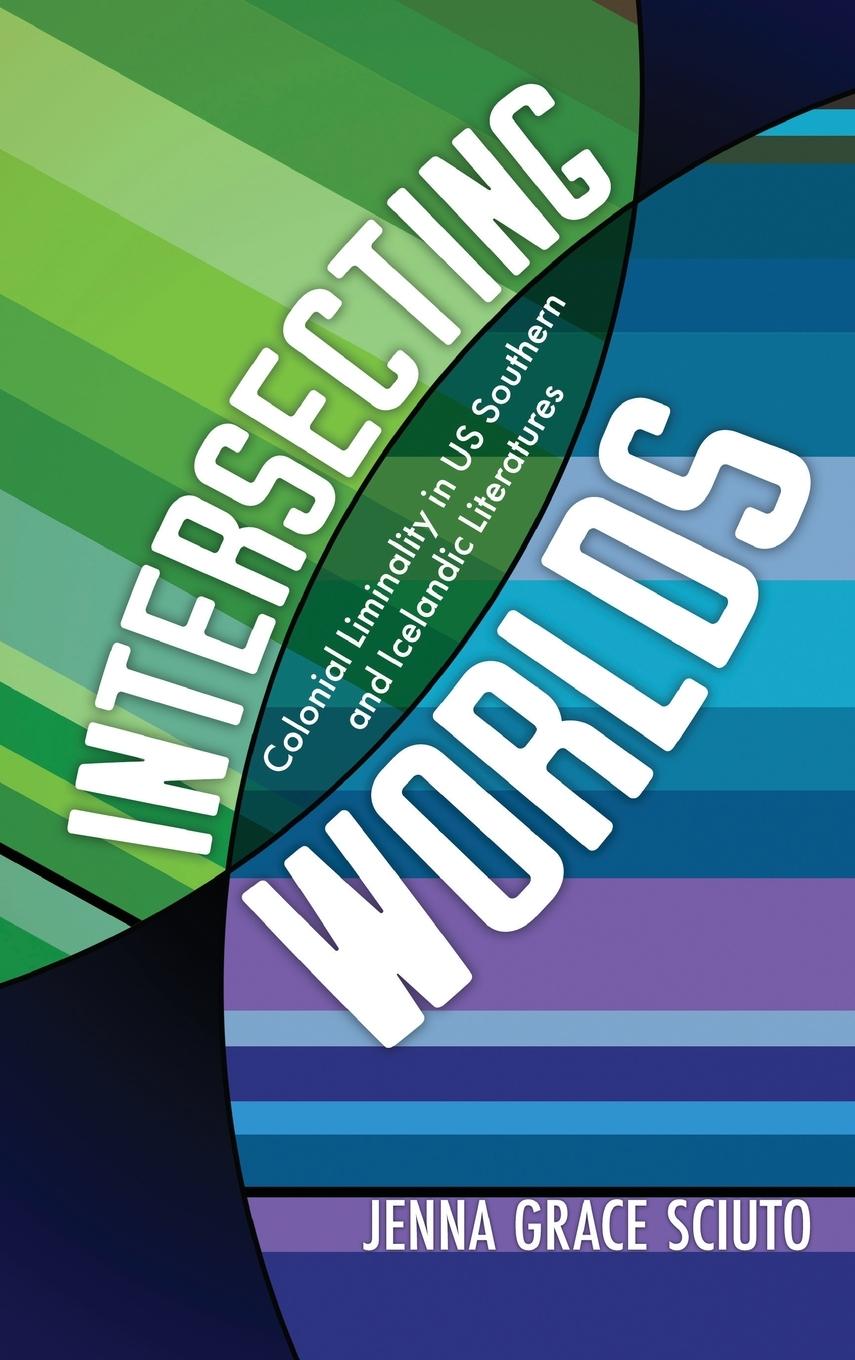
Intersecting Worlds
 Anglais
 277 b
277 b
 Livraison à Autriche
Politique de retour sous 30 jours
Les clients ont également acheté

 /
/
 Livre de poche
 35.99
€
35.99
€

















 /
Livre de poche
24.99
€
/
Livre de poche
24.99
€






 /
Livre de poche
27.95
€
/
Livre de poche
27.95
€
 /
Livre de poche
93.99
€
/
Livre de poche
93.99
€
 /
Livre de poche
83.19
€
/
Livre de poche
83.19
€
 /
Livre de poche
35.69
€
/
Livre de poche
35.69
€


Intersecting Worlds: Colonial Liminality in US Southern and Icelandic Literatures recalibrates readings of US southern and American writers by exploring comparable depictions of race, colonialism, Whiteness, gender, and sexuality in Icelandic literature. This book explores the liminality, ambiguity, and general unease that result when postcolonial theories are applied to both Iceland and the US South. It investigates the parallels and also the limitations to such comparisons with the labels and binaries created to represent colonial dynamics flattening the complex positionings of Iceland and the US South.
Iceland, an independent nation since 1944, has a complex colonial history. As a former dependency of Denmark that endured a US military presence from 1941 to 2006, Iceland's global positioning invites comparisons to formerly colonized spaces. At the same time, Iceland's history and geopolitical location differ from other colonized nations, which were subject to brutal violence and dehumanizing practices. This comparative project investigates Iceland's colonial liminality and draws connections to the colonial ambiguity of the US South, depicted as colonized by the federal government during Reconstruction and the site of the colonization of the Black population through slavery and its later iterations. Exploring the work of US southern writers, like William Faulkner, Gayl Jones, Jean Toomer, and Carson McCullers, alongside twentieth-century Icelandic novelists, including Halldór Laxness, Svava Jakobsdóttir, Guðbergur Bergsson, and Fríða Áslaug Sigurðardóttir, on both thematic and aesthetic levels reveals much about each region's history and the complexity of colonial dynamics. Intersecting Worlds centers layers of Whiteness in both national and transnational contexts, challenges ideas of Nordic and US southern exceptionalism, and exposes the complex impacts of colonialism in the Global North and the Global South, as depicted in twentieth-century literature.

À propos du livre
Anglais
Catégories

Offrez ce livre dès aujourd'hui
C’est simple
1 Ajouter au panier et choisir l'option Livrer comme cadeau à la caisse. 2 Nous vous enverrons un bon d'achat 3 Le livre arrivera à l'adresse du destinataireCeci pourrait également vous intéresser










 /
Livre de poche
20.09
€
/
Livre de poche
20.09
€


 /
Livre de poche
23.49
€
/
Livre de poche
23.49
€



 /
Livre de poche
29.89
€
/
Livre de poche
29.89
€

 /
Livre de poche
25.69
€
/
Livre de poche
25.69
€



 /
/
 Adobe ePub DRM
43.59
€
Adobe ePub DRM
43.59
€
Bonjour ! Je suis Libroamiko, votre conseiller littéraire.
Comment puis-je vous aider ?