
 Contact
 Comment faire ses achats
Livraison
Guide d'achat
Interactions Between Proteins and Poly(a-hydroxy Acids)
 Anglais
 148 b
148 b
 Livraison à Autriche
Jusqu'à 30 jours pour les retours
Les clients ont également acheté





 /
/
 Livre de poche
 35.49
€
35.49
€



























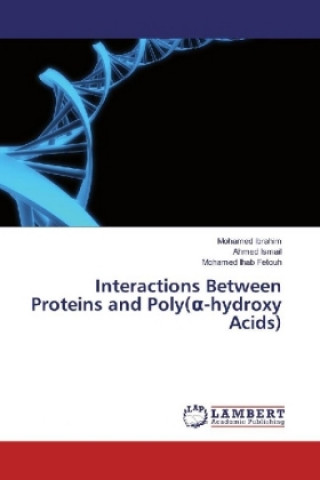
For the past decade, research efforts aimed at developing controlled release systems for protein and peptide drugs from biodegradable materials such as poly-(D,L-lactide) PLA or poly-(D,L-lactide-co-glycolide) PLGA have increased. Entrapment in these polymers can protect proteins and peptides from proteolysis, prolong drug release and enhance therapeutic efficacy. Despite their excellent biocompatibility, there is a growing concern that PLA and PLGA may not provide suitable microenvironments for many encapsulated protein molecules. Since most proteins are subjected to denaturation, it is difficult to prepare a controlled release dosage form without loss of biological activity. The debate is growing, however, on the effect of microencapsulation on protein stability, because proteins are usually exposed to cavitation, heat, organic solvents and shear forces during the encapsulation process. To date, the success of protein microsphere formulations as drug delivery systems has been limited. Several potential sources of irreversible inactivation of protein encapsulated in such polymers have been identified.


À propos du livre
Anglais

Offrez ce livre dès aujourd'hui
C’est simple
1 Ajouter au panier et choisir l'option Livrer comme cadeau à la caisse. 2 Nous vous enverrons un bon d'achat 3 Le livre arrivera à l'adresse du destinataireCeci pourrait également vous intéresser

 /
Livre de poche
12.59
€
/
Livre de poche
12.59
€











 /
Livre de poche
7.99
€
/
Livre de poche
7.99
€









Bonjour ! Je suis Libroamiko, votre conseiller littéraire.
Comment puis-je vous aider ?