
 Contact
 Comment faire ses achats
Livraison
Guide d'achat
 Anglais
 280 b
280 b
 Livraison à Autriche
Jusqu'à 30 jours pour les retours
Les clients ont également acheté


 /
/
 Livre de poche
 48.00
€
48.00
€




 /
Feuille
89.04
€
/
Feuille
89.04
€












 /
Livre de poche
10.89
€
/
Livre de poche
10.89
€






 /
Livre de poche
34.09
€
/
Livre de poche
34.09
€


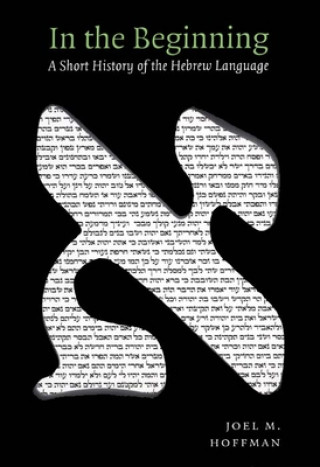
Hebrew as a language is just over 3,000 years old, and the story of its alphabet is unique among the languages of the world. Hebrew set the stage for almost every modern alphabet, and was arguably the first written language simple enough for everyone, not just scribes, to learn, making it possible to make a written record available to the masses for the first time. Written language has existed for so many years - since around 3500 BCE - that most of us take it for granted. But as Hoffman reveals in this entertaining and informative work, even the idea that speech can be divided into units called "words" and that these words can be represented with marks on a page, had to be discovered. As Hoffman points out, almost every modern system of writing descends from Hebrew; by studying the history of this language, we can learn a good deal about how we express ourselves today. Hoffman follows and decodes the adventure that is the history of Hebrew, illuminating how the written record has survived, the significance of the Dead Sea Scrolls and ancient translations, and attempts to determine how the language actually sounded. He places these developments into a historical context, and shows their continuing impact on the modern world. This sweeping history traces Hebrew's development as one of the first languages to make use of vowels. Hoffman also covers the dramatic story of the rebirth of Hebrew as a modern, spoken language. Packed with lively information about language and linguistics and history, In the Beginning is essential reading for both newcomers and scholars interested in learning more about Hebrew and languages in general.


À propos du livre
Anglais
Catégories

Offrez ce livre dès aujourd'hui
C’est simple
1 Ajouter au panier et choisir l'option Livrer comme cadeau à la caisse. 2 Nous vous enverrons un bon d'achat 3 Le livre arrivera à l'adresse du destinataireCeci pourrait également vous intéresser



 /
Livre de poche
71.82
€
/
Livre de poche
71.82
€

 /
Livre de poche
15.60
€
/
Livre de poche
15.60
€
















Bonjour ! Je suis Libroamiko, votre conseiller littéraire.
Comment puis-je vous aider ?