
 Contact
 Comment faire ses achats
Livraison
Guide d'achat
Ilifa
 Xhosa
Xhosa
 44 b
44 b
 Livraison à Autriche
Jusqu'à 30 jours pour les retours
Les clients ont également acheté









 /
/
 Livre relié
 38.69
€
38.69
€
 /
Livre de poche
18.09
€
/
Livre de poche
18.09
€
 /
Livre de poche
8.69
€
/
Livre de poche
8.69
€

 /
Livre de poche
7.99
€
/
Livre de poche
7.99
€



 /
Livre de poche
35.29
€
/
Livre de poche
35.29
€








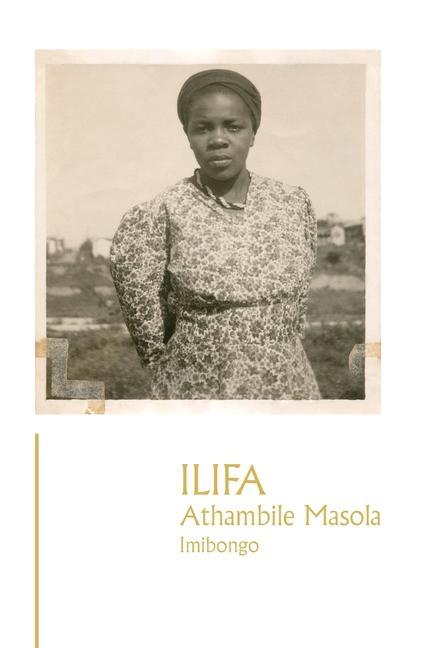
Ilifa yingqokolela yemibongo engumzame wokuzikisa nokuphonononga ubumnandi nobukrakra bobomi. Nangona uMasola esaziwa nje ngombhali wezincoko, apha kule mibongo usibonisa isakhono sakhe sokubhala iingcamango ngothando, ubumnandi bokuziphatha nokuziyolisa nangona ephila kwilizwe elinobungozi ngenxa yamadoda axhaphaza amanina. Le mibongo ijijisana nokugqwethwa kwenku- luleko ngenxa yentlupheko engathethisiyo. Ikhona nemibongo ethetha ngempiliso etyhilekayo xa sizinika ithuba lokuzimamela. Apha kule ncwadi isiXhosa sibhalwe njengokuba sithethwa. Nje ngomntu okhulele edolophini, isiXhosa sesasidol- ophini. Enye yendlela yokulondoloza isiXhosa kukubonisa indlela esiphila ngayo kwilixa lenkululeko ekhaphukhaphu.
Although Athambile Masola is best known as a writer of essays, in her debut collection of poems she freely and fruitfully explores the realities of love, morality and pleasure in a dangerous world. Unabashedly modern in style and contemporary in her outlook, Masola looks with fresh eyes at the ways in which South Africans' freedoms are still restricted by their circumstances - particularly by poverty and widespread abuse against women. Equally, however, these poems extol the possibility of healing through allowing one to listen to oneself. As such, in Ilifa, Masola gifts us with an isiXhosa that is written as it is spoken - as a language that is urban, alive, and a reflection of the time and place we live in; a society in which freedom continues to be conditional.


À propos du livre
Xhosa

Offrez ce livre dès aujourd'hui
C’est simple
1 Ajouter au panier et choisir l'option Livrer comme cadeau à la caisse. 2 Nous vous enverrons un bon d'achat 3 Le livre arrivera à l'adresse du destinataireCeci pourrait également vous intéresser


 /
Livre de poche
10.79
€
/
Livre de poche
10.79
€






















Bonjour ! Je suis Libroamiko, votre conseiller littéraire.
Comment puis-je vous aider ?