
 Contact
 Comment faire ses achats
Livraison
Guide d'achat
 Anglais
 758 b
758 b
 Livraison à Autriche
Jusqu'à 30 jours pour les retours
Les clients ont également acheté
















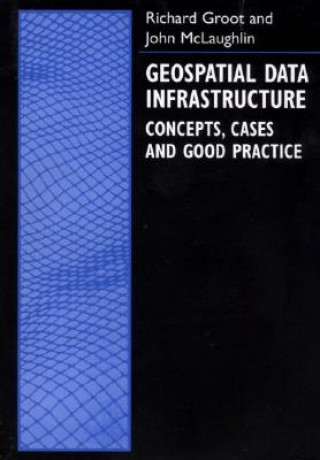
Geographic Information Systems (GIS) technology, under development since the late 1960s, is being applied in a growing variety of public and private sector endeavours: real estate planning, land administration, resource management, environmental monitoring, etc. Each of these endeavours entails the creation and management of a variety of datasets. In addition to the cost of the technology, the most significant cost element in GIS exploitation is the establishment and maintenance of the relevant standardized databases, keeping these databases current and ensuring their inter-operability. Achieving cost-effective data sharing from different sources, however, requires policies and standards that provide a legislative, regulatory, financial operating environment of predictable integrity: a Geospatial Data Infrastructure (GDI). Its creation demands negotiating agreements defining the institutional environment and arrangements between database-producing and using organizations. This book aims to provide a clear conceptual framework, consistent terminology, reference cases, and recommended practices for design, implementation, and management of GDI. It is meant both for academics and for practitioners faced with the design, implementation, and maintenance of GDI at all levels of government and private sector enterprises, as well as in the international financial institutions involved with underwriting GDI projects.


À propos du livre
Anglais

Offrez ce livre dès aujourd'hui
C’est simple
1 Ajouter au panier et choisir l'option Livrer comme cadeau à la caisse. 2 Nous vous enverrons un bon d'achat 3 Le livre arrivera à l'adresse du destinataireCeci pourrait également vous intéresser








 /
/
 Livre de poche
 72.39
€
72.39
€











Bonjour ! Je suis Libroamiko, votre conseiller littéraire.
Comment puis-je vous aider ?