
 Contact
 Comment faire ses achats
Livraison
Guide d'achat
 Anglais
 148 b
148 b
 Livraison à Autriche
Jusqu'à 30 jours pour les retours
Les clients ont également acheté






 /
/
 Livre de poche
 66.99
€
66.99
€




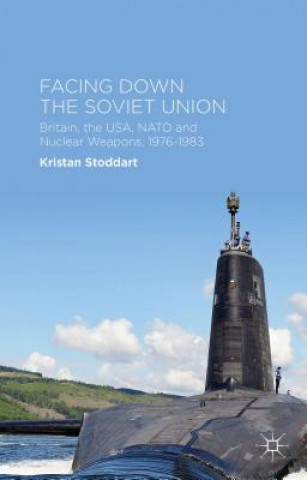
Facing Down the Soviet Union reveals for the first time the historic deliberations regarding the Chevaline upgrade to Britain's Polaris force, the decisions to procure the Trident C-4 and then D-5 system from the Americans in 1980 and 1982. It also details the highly controversial decision to base Ground Launched Cruise Missiles in the UK in 1983. Chevaline was one of the most expensive and technically difficult defence projects the British had yet undertaken. It took much of its rationale from intelligence assessments of Soviet anti-ballistic missiles which had planted doubts as to the effectiveness of Polaris as the UK's strategic deterrent. The Polaris-Chevaline system remained in service until it was gradually replaced with Trident in 1994. The first deal over Trident (the C-4 decision in 1980) was informed by the Chevaline experience and the penalties of a lack of commonality with the United States. The decision benefitted from a comprehensive study known as the Duff-Mason Report which was the key background document used by the Conservative government of Mrs Thatcher in the purchase of C-4. The decision to opt for the increased striking power of Trident II D-5 was also driven by the penalties of time-limited commonality with the Americans. It remains operational with both the Royal Navy and United States Navy.


À propos du livre
Anglais
Catégories

Offrez ce livre dès aujourd'hui
C’est simple
1 Ajouter au panier et choisir l'option Livrer comme cadeau à la caisse. 2 Nous vous enverrons un bon d'achat 3 Le livre arrivera à l'adresse du destinataireCeci pourrait également vous intéresser









 /
Livre de poche
25.89
€
/
Livre de poche
25.89
€

Bonjour ! Je suis Libroamiko, votre conseiller littéraire.
Comment puis-je vous aider ?