
 Contact
 Comment faire ses achats
Livraison
Guide d'achat
Drawing the Line
 Anglais
 244 b
244 b
 Livraison à Autriche
Jusqu'à 30 jours pour les retours
Les clients ont également acheté









 /
/
 Livre de poche
 20.99
€
20.99
€

 /
Livre de poche
7.99
€
/
Livre de poche
7.99
€





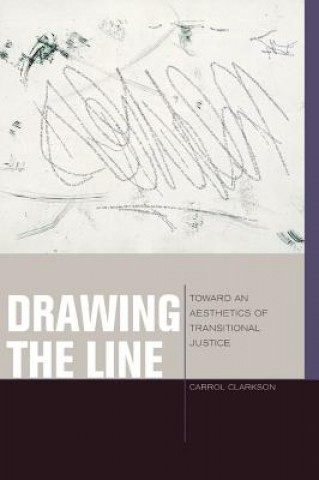
"Art, like morality, consists of drawing the line somewhere", G.K. Chesterton wrote in 1928, insisting on the necessity - if also the contingency - of marking a limit in the act of making a decision, whether that decision is an ethical or an aesthetic one. Drawing the Line examines the different ways in which cultural, political and legal lines are imagined, drawn, crossed, erased, and redrawn in post-apartheid South Africa - through literary texts, artworks, and other forms of cultural production. Under the rubric of a philosophy of the limit, and with reference to a range of signifying acts and events, this book asks what it takes to recalibrate a socio-political scene, shifting perceptions of what counts and what matters, of what can be seen and heard, of what can be valued or regarded as meaningful. These delineations are inextricably bound up in questions of social justice, and in the playing out of political and legal identities. It is in this context that the chapters, taken together, make an argument for an aesthetics of transitional justice, and an appeal for a post-apartheid aesthetic enquiry, as opposed to simply a political or a legal one. The point of departure in each chapter is a South African artwork, or text, or speech, or building, or social encounter ...but the discussions bring each local "aesthetic act" (to borrow Jacques Ranciere's term) into dialogic conversation with debates in critical theory and Continental philosophy: what are the enabling features of European theory in a South African context, but what challenge do these South African acts of signification and resignification pose to current literary-philosophical debates? The book makes a contribution to contemporary aesthetic discourses through conversations on the borderlines of philosophy and literature, literature and the law, law and politics, politics and justice, justice and art.


À propos du livre
Anglais

Offrez ce livre dès aujourd'hui
C’est simple
1 Ajouter au panier et choisir l'option Livrer comme cadeau à la caisse. 2 Nous vous enverrons un bon d'achat 3 Le livre arrivera à l'adresse du destinataireCeci pourrait également vous intéresser



 /
Livre relié
19.29
€
/
Livre relié
19.29
€
 /
Livre de poche
36.39
€
/
Livre de poche
36.39
€
 /
Livre de poche
13.89
€
/
Livre de poche
13.89
€



Bonjour ! Je suis Libroamiko, votre conseiller littéraire.
Comment puis-je vous aider ?