
 Contact
 Comment faire ses achats
Livraison
Guide d'achat
 Anglais
 46 b
46 b
 Livraison à Autriche
Jusqu'à 30 jours pour les retours
Les clients ont également acheté






 /
/
 Livre de poche
 26.09
€
26.09
€



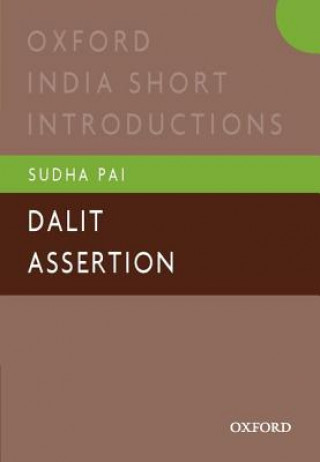
The Oxford India Short Introductions are brief, stimulating, and accessible guides to different aspects of India. Combining authoritative analysis, new ideas, and diverse perspectives, they discuss subjects which are topical yet enduring, as also emerging areas of study and debate. This particular title analyses the phenomenon of Dalit assertion that India has experienced in recent decades. Arguing that it is a part of the larger process of democratization since Independence and an upsurge from below that has constructed a new identity of the Dalit, alternative ideology of Ambedkarism and questioned the hierarchical caste structure, which has historically oppressed the former untouchables. It discusses three forms that Dalit assertion has taken: grassroots assertions, political parties, and more recently, middle-class activism. Assertion has raised political consciousness, enabled greater political participation, but not unity, and often led to violent caste atrocities against Dalits, particularly by the backward castes, in many states/regions. The nature and form of Dalit assertion has been a source of considerable controversy. While scholars have held that it has led to social deepening of democracy; questions have been raised about its role in empowering Dalits. This Short Introduction argues that the Dalit movement is in a phase of transition in which it has been able to question, with some degree of success, but not overcome upper caste domination and oppression and introduce transformation. While highlighting the achievements of Dalit assertion, this work also discusses its weaknesses, limitations, and possibilities.


À propos du livre
Anglais

Offrez ce livre dès aujourd'hui
C’est simple
1 Ajouter au panier et choisir l'option Livrer comme cadeau à la caisse. 2 Nous vous enverrons un bon d'achat 3 Le livre arrivera à l'adresse du destinataireCeci pourrait également vous intéresser







 /
Livre de poche
22.79
€
/
Livre de poche
22.79
€




 /
Livre de poche
44.19
€
/
Livre de poche
44.19
€


Bonjour ! Je suis Libroamiko, votre conseiller littéraire.
Comment puis-je vous aider ?