
 Contact
 Comment faire ses achats

Livraison
Guide d'achat
 Anglais
 68 b
Les clients ont également acheté


 /
 Livre de poche
 53.69
€

 /
Livre de poche
11.59
€

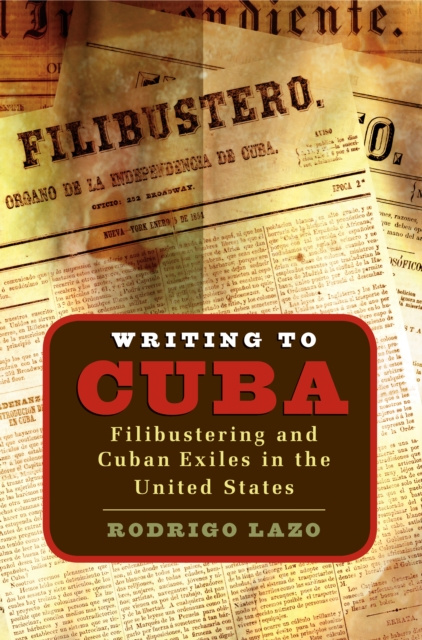
In the mid-nineteenth century, some of Cuba's most influential writers settled in U.S. cities and published a variety of newspapers, pamphlets, and books. Collaborating with military movements known as filibusters, this generation of exiled writers created a body of literature demanding Cuban independence from Spain and alliance with or annexation to the United States. Drawing from rare materials archived in the United States and Havana, Rodrigo Lazo offers new readings of works by writers such as Cirilo Villaverde, Juan Clemente Zenea, Pedro Santacilia, and Miguel T. Tolon. Lazo argues that to understand these writers and their publications, we must move beyond nation-based models of literary study and consider their connections to both Cuba and the United States. Anchored by the publication of Spanish- and English-language newspapers in the United States, the transnational culture of writers Lazo calls los filibusteros went hand in hand with a long-standing economic flow between the countries and was spurred on by the writers' belief in the American promise of freedom and the hemispheric ambitions of the expansionist U.S. government. Analyzing how U.S. politicians, journalists, and novelists debated the future of Cuba, Lazo argues that the war of words carried out in Cuban-U.S. print culture played a significant role in developing nineteenth-century conceptions of territory, colonialism, and citizenship.


À propos du livre
Anglais
Catégories

Offrez ce livre dès aujourd'hui
C’est simple
1 Ajouter au panier et choisir l'option Livrer comme cadeau à la caisse. 2 Nous vous enverrons un bon d'achat 3 Le livre arrivera à l'adresse du destinataireCeci pourrait également vous intéresser


Bonjour ! Je suis Libroamiko, votre conseiller littéraire.
Comment puis-je vous aider ?