Contact
 Comment faire ses achats
Livraison
Guide d'achat
 Anglais
 75 b
75 b
Les clients ont également acheté






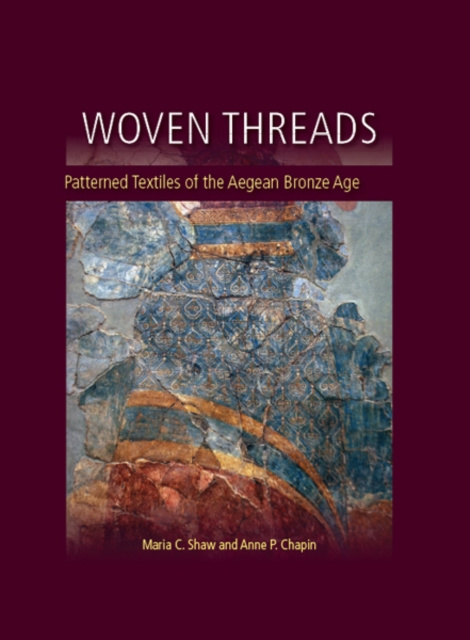
Woven textiles are produced by nearly all human societies. This volume investigates evidence for patterned textiles (that is, textiles woven with elaborate designs) that were produced by two early Mediterranean civilizations: the Minoans of Crete and the Mycenaeans of mainland Greece, that prospered during the Aegean Bronze Age, c. 3000–1200 BC, contemporary with Pharaonic Egypt. Both could boast of specialists in textile production. Together with their wine, oil, and art, Minoan and Mycenaean textiles were much desired as trade goods. Artistic images of their fabrics preserved both in the Aegean and in other parts of the Mediterranean show elaborate patterns woven with rich decorative detail and color. Only a few small scraps of textiles survive but evidence for their production is abundant and frescoes supply detailed information about a wide variety of now-lost textile goods from luxurious costumes and beautifully patterned wall hangings and carpets, to more utilitarian decorated fabrics. A review of surviving artistic and archaeological evidence indicates that textiles played essential practical and social roles in both Minoan and Mycenaean societies.


À propos du livre
Anglais