
 Contact
 How to shop
Delivery
Shopping guide
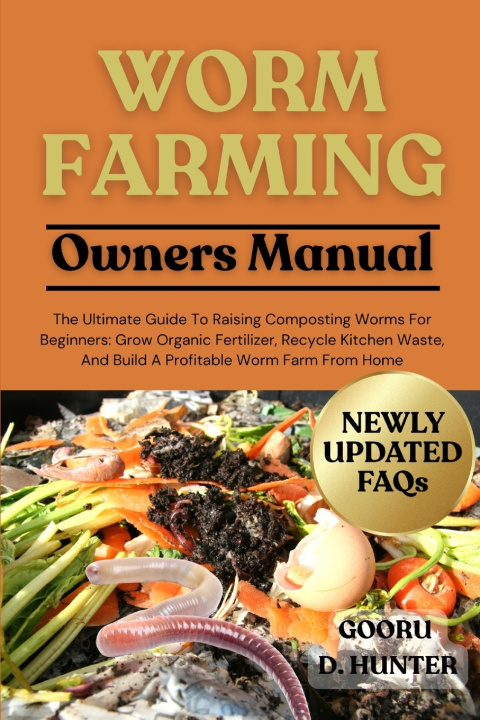
WORM FARMING
The Ultimate Guide To Raising Composting Worms For Beginners: Grow Organic Fertilizer, Recycle Kitchen Waste, And Build A Profitable Worm Farm From Home
 English
 35 b
35 b
 Delivery to Austria
Up to 30 days for returns

Understanding What Worm Farming Is and Why It's Beneficial for Beginners, Gardeners, and the Environment
What Is Worm Farming?
Worm farming, also known as vermiculture or vermicomposting, is the process of using specific types of worms-primarily Eisenia fetida (commonly called red wigglers)-to decompose organic waste materials into a nutrient-rich soil additive called worm castings or vermicompost. This natural process transforms everyday food scraps, garden clippings, and organic matter into black gold-a potent, sustainable fertilizer that gardeners and farmers prize for its ability to enrich the soil.
Unlike traditional composting that relies solely on microbial activity and sometimes high heat, worm farming is a cold composting method that's cleaner, less smelly, and often much faster. It's highly scalable, meaning you can do it in a small bin in your kitchen or create large-scale worm beds for commercial use.
At its core, worm farming is a simple, accessible, and highly effective way to manage organic waste while producing one of nature's most powerful fertilizers.
A Brief History of Vermiculture
The concept of using worms to recycle organic material is not new. Charles Darwin himself famously studied earthworms and wrote extensively about their vital role in soil creation and fertility. However, structured worm farming as we know it today began gaining traction in the 20th century, particularly as sustainable living and organic gardening movements gained momentum.
In recent decades, vermiculture has become increasingly popular among hobbyists, educators, gardeners, and even commercial farmers seeking an environmentally friendly way to manage waste and regenerate soil health.
How Worm Farming Works
Worm farming involves placing worms in a contained environment with a supply of bedding material and a regular supply of organic waste. The worms eat the organic matter, digest it, and excrete castings-a fine, odorless, dark material full of beneficial microbes, minerals, and plant nutrients.
Here's how the process breaks down:
Input: Kitchen scraps, shredded paper, cardboard, garden waste.
Digestion: Worms break down the organic matter through their digestive systems.
Output: Worm castings, also known as vermicompost, and liquid runoff (often called worm tea or leachate).
The beauty of this system is that it mimics natural decomposition processes but in a controlled, accelerated setting.
Why Worm Farming Is Perfect for Beginners
Worm farming is one of the easiest and most forgiving ways for newcomers to enter the world of sustainable gardening and composting. Here's why:
1. Low Startup Cost
You don't need expensive equipment or vast knowledge to get started. A basic worm farm can be assembled from recycled materials and a small starter batch of worms.
2. Space-Efficient
Unlike traditional composting piles that need outdoor space, worm bins can be kept indoors-in kitchens, garages, or under sinks. This makes it an ideal choice for apartment dwellers and people with limited space.
3. Simple Maintenance
Worms do most of the work. Once your bin is set up, the primary tasks are feeding, occasional bedding refreshment, and harvesting the compost. There are no turning piles or managing high temperatures like in hot composting.
4. Quick Results
Worms can process waste rapidly. A well-established bin can digest kitchen scraps in a matter of weeks, providing you with usable compost much faster than conventional methods.
5. Educational and Fun
Worm farming is a fascinating process. Watching organic waste transform into nutrient-rich compost before your eyes can be both rewarding and educational-making it an excellent project for families and schools.


About the book
English

Give this book today
It's easy
1 Add to cart and choose Deliver as present at the checkout 2 We'll send you a voucher 3 The book will arrive at the recipient's addressHi! I'm Libroamiko, your book advisor.
How can I help you?