
 Contact
 How to shop

Delivery
Shopping guide
Romanticism After Auschwitz
 English

 197 b
 Delivery to Austria
Up to 30 days for returns
Customers also purchased













 /
 Paperback
 79.99
€


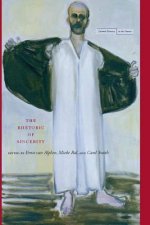
"Romanticism After Auschwitz" reveals how post-Holocaust testimony remains romantic, and shows why romanticism must therefore be rethought. The book argues that what literary historians have traditionally called "romanticism," and characterized as a literary movement stretching roughly between 1785 and 1832, should be redescribed in light of two circumstances. The first is the specific inadequacy of literary-historical models before "romantic" works. The second is the particular function that these unsettling aspects of "romantic" works have after Auschwitz. The book demonstrates that certain figures (of speech, writing, and argument) central to normative accounts of "romanticism" serve in their most radical - most genuinely "romantic" - form as vehicles for posing a conception of life (and death) revealed in the camps. In these pages, Agamben meets Wordsworth, Shakespeare meets Celan, film meets lyric poetry, survivors' accounts meet fiction, de Man encounters Nancy. The book offers new readings of highly canonical works - Mary Shelley's "Frankenstein", "Wordsworth" and Coleridge's "Lyrical Ballads". Alain Resnais' "Night and Fog" - and introduces other unfamiliar texts.


About the book
English
Categories

Give this book today
It's easy
1 Add to cart and choose Deliver as present at the checkout 2 We'll send you a voucher 3 The book will arrive at the recipient's addressYou might also be interested in










 /
Hardback
97.29
€




Hi! I'm Libroamiko, your book advisor.
How can I help you?