
 Contact
 How to shop
Delivery
Shopping guide
 English
 208 b
208 b
 Delivery to Austria
Up to 30 days for returns
Customers also purchased
















 /
/
 Paperback
 33.49
€
33.49
€



 /
Paperback
15.79
€
/
Paperback
15.79
€









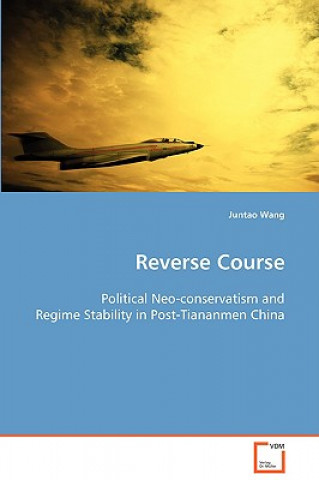
In post-Mao China, when Chinese debate on how to §reorient their modernization, political neo-§conservatism has risen rapidly against liberal §democracy since the early 1990s. This work analyzes §its origins, development, arguments, and political §consequence. The political neo-conservatism includes §various thoughts: neo-authoritarianism, statism, §nationalism, post-modernism, post-colonialism, third §way, China exceptionalism, neo-Confucianism, and new §leftism. The political consequence of the rise of §political neo-conservatism, as opposing radical §democratization, is to maintain non-democracy regime §in China. It is not only a dramatic shift in Chinese §ideology and politics since mid-1970s, but also a §counter-case both to world politics, so-§called third wave of democratization, and to the §popular theory regarding regime transition in §comparative study. This case research on China §strongly confirms the role of ideas in making regime §transition. The author, Ph. D. in comparative §politics of Columbia University, is a leading figure §in both intellectual and political circle, he has §experienced the major political events in post-Mao §China.


About the book
English
Categories

Give this book today
It's easy
1 Add to cart and choose Deliver as present at the checkout 2 We'll send you a voucher 3 The book will arrive at the recipient's addressYou might also be interested in











 /
Hardback
52.69
€
/
Hardback
52.69
€












Hi! I'm Libroamiko, your book advisor.
How can I help you?