
 Contact
 How to shop
Delivery
Shopping guide
 English
 40 b
40 b
 New
New
 Delivery to Austria
Up to 30 days for returns

Fear is not free.
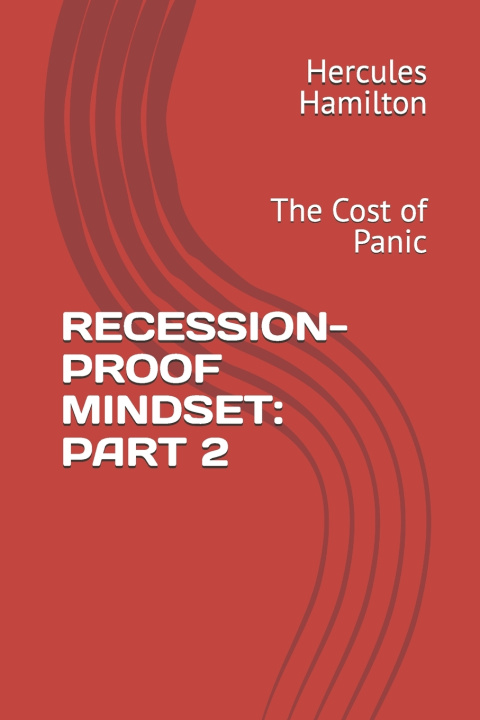
When a recession hits, panic can quietly become one of the most expensive forces in a person's life. It can lead to rushed financial choices, delayed action, damaged relationships, poor communication, unhealthy coping habits, and decisions made for immediate relief rather than long-term stability.
Part Two: The Cost of Panic examines what happens when fear takes control. This section shows how panic can affect money, careers, businesses, families, and emotional health. It explains why fear often feels productive even when it is draining energy, why avoidance can become costly, and why waiting too long can turn manageable problems into emergencies.
Readers will learn how panic shows up in different forms: overspending, overcutting, borrowing too quickly, quitting impulsively, staying stuck, hiding from reality, doom-scrolling, blaming, freezing, or delaying necessary decisions. This part also explores denial as the quieter cousin of panic-a response that may feel calm at first but can reduce future options.
The purpose of Part Two is not to shame readers for feeling afraid. Fear is human. The purpose is to help readers recognize when fear is becoming expensive and learn how to interrupt it before it causes more damage.
By the end of this section, readers will understand that panic and denial are both decision-makers-but poor ones. They will be prepared to replace fear-based reactions with awareness, early action, and practical responsibility.


About the book
English
Categories

Give this book today
It's easy
1 Add to cart and choose Deliver as present at the checkout 2 We'll send you a voucher 3 The book will arrive at the recipient's addressHi! I'm Libroamiko, your book advisor.
How can I help you?