
 Contact
 How to shop

Delivery
Shopping guide
 English
 31 b
 Coming soon
 New
 Christmas delivery ▾
Expected in stock
Expected 17. 11. 2026
 Delivery to Austria
Up to 30 days for returns

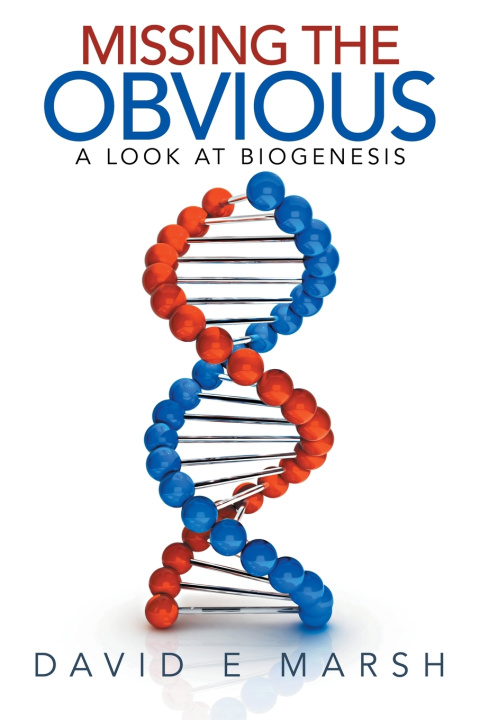
How life began is an ancient topic of scientific debate. There was a major shift in the 1860's about explaining how life began. Starting from the prize-winning work of Louis Pasteur in the 1860's that shifted understanding of how life began, you the reader will follow a road that allows you to understand the broad chemical framework of all living things. The first stop is the basic chemistry of amino acids, which are protein building blocks. Next you will read about the basics of genetics- how DNA carries instructions for life. These instructions determine which proteins a living thing will assemble in its cells. All the diverse life forms we can examine are the result of different life forms assembling different proteins. Then a twist in the plot- there is a widely known but often ignored feature of this chemistry which leads to an explanation of how life could or could not begin that might surprise you.
Follow along as the author shares his own journey of wrestling with these chemistry facts, and their implications on how life could come from non- life. There are mathematical implications of the unique three-dimensional features of amino acid chemistry inside of living things. This matters because it is completely different from the three- dimensional features of the same amino acids in non-living environments, Be encouraged in these pages to study and think for yourself about how life began. There is chapter to examine some common theories of how life began, and why they fall short of bridging the math and chemistry gap between life and non- life. Let the author share some of his study about modern amino acid synthesis in labs, and analysis of amino acids from space that arrive here in meteorites.
The author shares his conclusion of how life begins, but doesn't ask you to agree, unless your own study and questioning lead you to the same conclusion. The conclusion of the author, the answer that chemistry and math point to, has strong implications on how we humans look at ourselves, other living things, and the planet we share.


About the book
English

Give this book today
It's easy
1 Add to cart and choose Deliver as present at the checkout 2 We'll send you a voucher 3 The book will arrive at the recipient's addressHi! I'm Libroamiko, your book advisor.
How can I help you?