
 Contact
 How to shop
Delivery
Shopping guide
 English
 290 b
290 b
 Delivery to Austria
Up to 30 days for returns
Customers also purchased














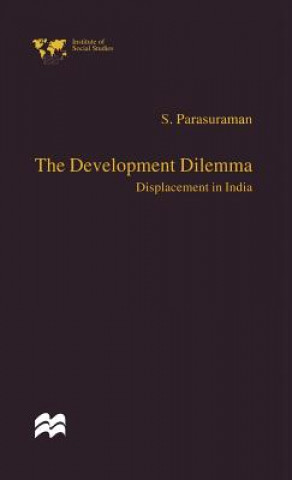
This book analyses the social, economic and political context in which development projects are implemented, and the consequences for people displaced by such projects in India. It finds that the practice as application of specific forms of development ideology, the nature of development projects implemented, the degree of displacement of people from land and livelihoods, and the character of resettlement and rehabilitation (R&R) policies are interrelated. The extent to which R&R entitlements are honoured, and the rights and livelihood of vulnerable groups are protected, reflects the character of the state. The author poses, and seeks to answer, a number of critical questions. Can displacement of people from land and livelihoods be avoided? Do development projects ever attempt to minimize displacement? What factors determine the R&R policies which are proposed and implemented? How are the interests of vulnerable groups such as landless peasants, the Dalits and tribal people, women and children affected by displacement? What do the R&R experiences of development projects teach us? What elements constitute a 'just' rehabilitation policy that does not marginalize the vulnerable groups? Using as its basis the experiences of six major development projects attempted in India since independence, this book assesses the role of state, international agencies and the private industrial sector in promoting development and managing the rehabilitation of displaced people.


About the book
English

Give this book today
It's easy
1 Add to cart and choose Deliver as present at the checkout 2 We'll send you a voucher 3 The book will arrive at the recipient's addressYou might also be interested in










 /
/
 Paperback
 43.59
€
43.59
€


Hi! I'm Libroamiko, your book advisor.
How can I help you?