
 Contact
 How to shop

Delivery
Shopping guide
Developing Leaders Quarterly - Hult Ashridge Perspectives - a supplement
 English
 74 b
 New
 Delivery to Austria
Up to 30 days for returns

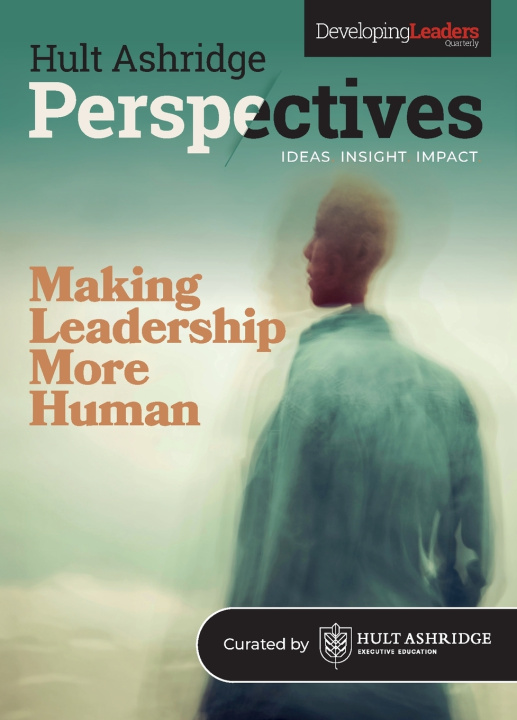
Hult Ashridge Perspectives is a special supplement published alongside the 50th issue of Developing Leaders Quarterly (DLQ). It is produced by Ideas for Leaders (the leadership focused publisher that works with the world's premier thinkers around leadership and organizational behaviour related themes) in association with Hult Ashridge Executive Education, whose flagship Ashridge House campus has been a seat of learning for nearly 750 years, and whose faculty are known for combining deep academic credentials with real practice experience alongside leaders and organizations.
Under the title 'Making Leadership More Human', this first Perspectives collection takes up a question that runs right alongside DLQ's own mission: as AI takes over the work of finding and processing information, what is left that only human leaders can do? The answer the faculty return to again and again is the harder, less automatable part of the role - asking whether a thing is worth doing at all, making the ethical calls, sitting with doubt and leaving room for other people's contributions to count. Performance and humanity, they argue, were never really opponents; treating them as though they were is a choice, and a costly one.
Across seven in-depth articles, the Hult Ashridge faculty examine what that means in practice. Erik de Haan opens with the leadership 'shadow', and why pressure tends to strengthen a leader's hubristic tendencies rather than their best ones. Hari Mann weighs the pressures bearing down on human-centred leadership, while Sharon Olivier and Frederick Hölscher offer a new framework for burnout and resilience, rooted in what happens when who we are and what we do drift apart. Roger Delves and Alison Reynolds make the case for the 'human being advantage' and why overdoing is failing leaders; Debbie Bayntun-Lees names the paradoxes organizations live with - demanding agility while rewarding control, asking leaders to empower while measuring them on oversight - and sets out six shifts they can act on now. Vicki Culpin shows why how you learn matters as much as what you learn, and Stefan Cousquer asks whether 'busy' has become the new lazy for executive teams, and what it takes to make time for the conversations that build the future. Shorter pieces and glimpses of current faculty research sit around them.
Taken together, the collection describes a community that is not commenting on leadership from a comfortable distance, but working alongside leaders and organizations on the dilemmas they actually face - a fitting companion to DLQ's 50th issue.


About the book
English

Give this book today
It's easy
1 Add to cart and choose Deliver as present at the checkout 2 We'll send you a voucher 3 The book will arrive at the recipient's addressHi! I'm Libroamiko, your book advisor.
How can I help you?