
 Contact
 How to shop
Delivery
Shopping guide
 English
 36 b
36 b
 New
New
 Delivery to Austria
Up to 30 days for returns

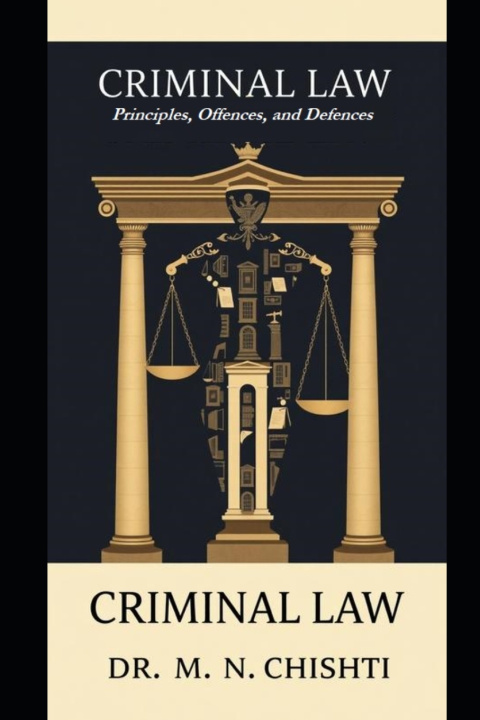
CRIMINAL LAW: Principles, Offences, and Defences
CRIMINAL LAW: Principles, Offences, and Defences provides a clear, systematic and contemporary introduction to the core principles of criminal law in England and Wales. Written primarily for LLB students and those undertaking equivalent undergraduate legal studies, the book combines doctrinal accuracy with accessible explanation and critical analysis.
Rather than presenting criminal law as a disconnected collection of offences, the book examines the underlying principles that determine when criminal liability arises and when it may be excluded. It begins with the foundations of liability, including actus reus, omissions, causation, mens rea, intention, recklessness, negligence and strict liability. It then applies these principles to the principal offences encountered in undergraduate criminal law courses.
The substantive chapters cover murder and manslaughter, non-fatal offences against the person, sexual offences, theft, robbery, burglary, fraud and criminal damage. Separate chapters address attempts, conspiracy, encouraging or assisting crime, secondary liability and joint enterprise. The final chapter examines the principal general defences, including insanity, automatism, intoxication, duress, necessity, self-defence and mistake.
Particular emphasis is placed on the relationship between legislation and judicial decision-making. Relevant statutory provisions are explained alongside leading authorities, while important developments in the law are traced through significant appellate decisions. The book also distinguishes historical principles from the current legal position, helping students understand not only how the law developed but also how it operates today.
Each topic is approached with a balance of explanation and analysis. Complex doctrines are broken down into their constituent elements, while areas of controversy, uncertainty and policy are identified where they are important to understanding the law. Concise examples assist students in applying legal principles to factual situations.
The result is a structured and accessible account of criminal law designed to support lectures, seminars, independent study and examination preparation.
CRIMINAL LAW is intended not merely to help students learn the rules of criminal law, but to help them understand, apply and critically evaluate them.


About the book
English

Give this book today
It's easy
1 Add to cart and choose Deliver as present at the checkout 2 We'll send you a voucher 3 The book will arrive at the recipient's addressHi! I'm Libroamiko, your book advisor.
How can I help you?