
 Contact
 How to shop
Delivery
Shopping guide
 English
 33 b
33 b
 Delivery to Austria
30-day return policy

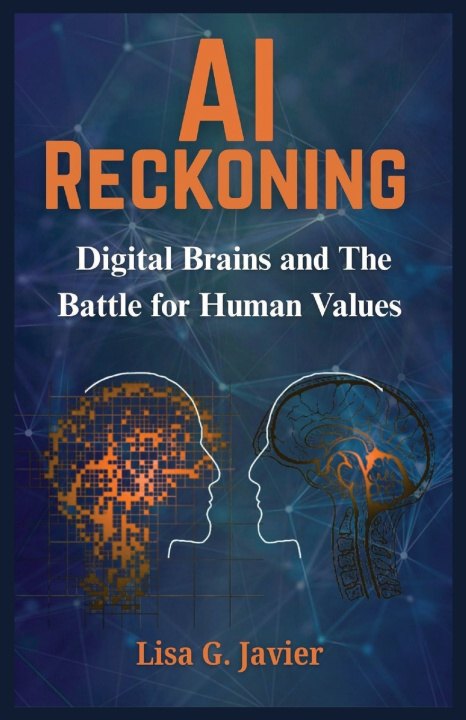
What if the real danger of artificial intelligence isn't the systems and machines but what we forget to protect along the way?
In AI Reckoning: Digital Brains and the Battle for Human Values, author and thinker Lisa G. Javier invites readers on a gripping, human-centered journey through the rise of artificial intelligence and what's truly at stake.
From job displacement to algorithmic injustice, surveillance capitalism to democratic erosion, this book lays bare the invisible forces shaping our future. It is not just a technological reckoning, it's a moral one.
Blending deep research with personal reflection, Lisa G. Javier offers more than warnings.
She challenges us to ask urgent questions:
- What are we losing in our rush to automate?
- Who controls the algorithms shaping our lives?
- And how can we ensure that human values still matter in a machine-driven world?
If you care about justice, truth, autonomy, and the future of your children, this book is your call to action.
About The Author
Lisa G. Javier is a writer, educator and advocate passionate about technology, ethics, and human potential. She writes to empower everyday people to navigate complex issues with clarity and confidence.
Driven by a deep concern for the future her children and millions of others are inheriting, she writes at the intersection of technology, humanity, and values.
With a passion for storytelling and a heart for the next generation, she explores how artificial intelligence impacts our values, identity, and future. AI Reckoning is her bold call to awareness, urging readers to stay informed, question deeply, and shape technology, not be shaped by it.
Her work is not born from theory alone, but from lived experience: as a mother raising a family in the age of algorithms, and as a citizen reckoning with the widening gap between human needs and machine-driven priorities.
She believes technology should serve us, not define us and that the most powerful code we can write is the one that preserves human dignity.


About the book
English
